
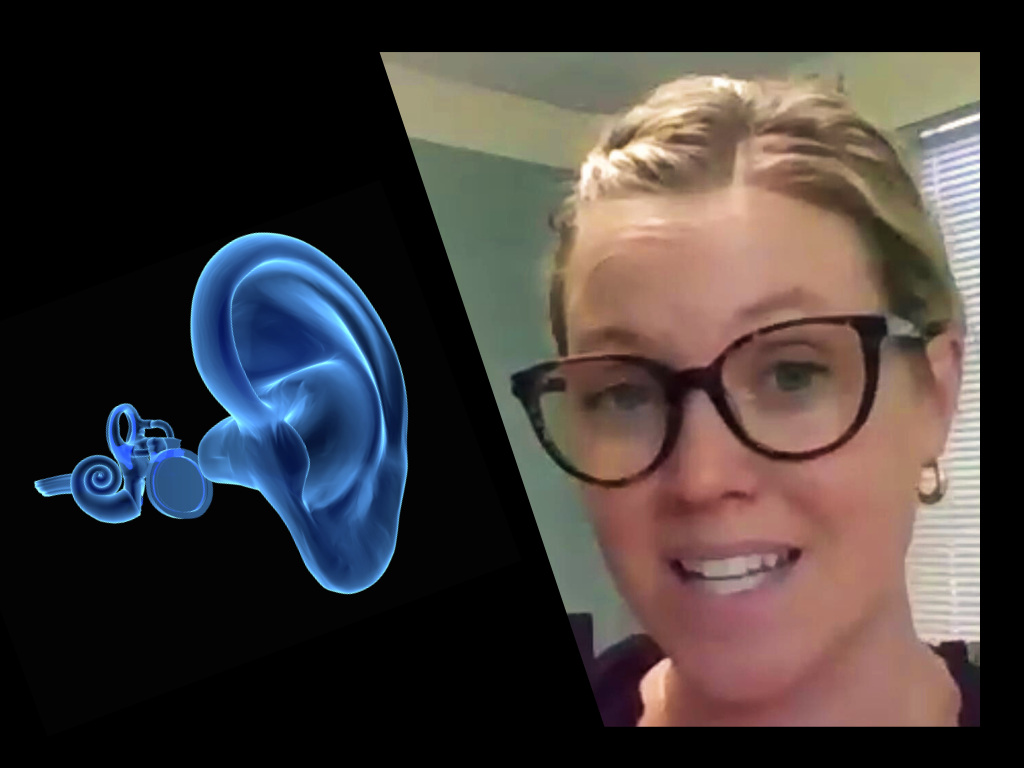
The singing and speaking voice is greatly affected by the health and hearing ability of our ears. For this episode, I interview Dr. Rebecca Grome, the audiologist/owner of Ears4U in Nashville, Tennessee. She’s the audiologist trusted by many artists and musicians in our industry, including me. Some of the things she shares are wild!
Listen and Subscribe…
About Dr. Rebecca Grome
Dr. Grome is a Tennessee licensed audiologist, current member of the Academy of Doctors of Audiology, and the local audiologist for Dr. Cliff’s Preferred Provider Network. She hails from Ohio and received her doctorate of audiology from the University of Cincinnati. Before heading her company Ears4U she worked for a hearing aid manufacturer as an account executive. During that time, she trained audiologists on best practices for hearing aid fitting and helped facilitate better patient satisfaction. Dr. Grome has worked on international projects focusing on the future of the hearing aid industry, and firmly believes that every patient deserves a customized and personal approach to their hearing health.
Find Dr. Grome:
- website: https://www.ears4u.net/
- Instagram: @ears4uhearing
- Facebook: / ears4uhearing
- Youtube: / @ears4uhearing@ucqfmooa7v6tdg7vgvpjeera
Topics We Covered:
- Should we stick a Q-tip in our ears?
- What about those wax removal ear cameras?
- What it means to be a Dr. Cliff preferred provider.
- The importance of getting a baseline hearing test.
- A typical first office visit with Dr. Grome.
- Musician’s/singer’s perception of hearing health.
- Dr. Grome’s nuanced advice for wearing in-ears.
- How that advice applies to wearing studio headphones.
- How silence affects the ear.
- The difference between ear fatigue and ear damage.
- I ask about tone deafness and pitch issues. We discuss my 3-step pitch aiming exercise.
- We turn to the frustrating issue of tinnitus and creative approaches for relief.
- We discuss how the ear takes partial sound info and fills in the blanks.
- Why slashed budgets for TV shows make it harder now to understand TV show dialogue (and why it might change).
- Types of hearing aids and when she would recommend getting one.
- Should we worry about the effects of putting tubes in the ears from ear infections.?
- The weirdest ear problems Dr. Grome has seen. We’re talking weird!!
- Can real hearing loss be recovered?
What About Your Ears?
How are your ears faring in the noise you have to subject them to? Have you ever had a baseline hearing test? Do you wear in-ear monitors? We’d love to have your comments!
Wow — there is some terrific information here for anyone’s hearing health, even if we’re not musicians. My husband and I are at the age where our hearing is definitely decreasing, and the advice to get a baseline hearing test even if you think you’re a long way from needing a hearing aid. Thanks for this very clear and professional advice.
Thank you, Elizabeth; I, too am glad I got that baseline. So glad you enjoyed the interview.
This was suach a wonderful podcast, thank you!
Getting hearing aids was the best expenditure I ever made because my hearing loss was, over time, negatively impacting both my social life and my work life. Don’t wait to get help, and don’t let the cost prevent you from getting the help you deserve early on.
Obtaining the base line early in your life can help you and your doctor plan when you absolutely need to get the hearing aids.
Because I had a baseline when I was 40, I knew I had lots of time to start saving my money bit by bit.
Most of us will never be millionaires because of our music, and yes, hearing aids are not inexpensive, but hearing music is the joy that will keep you going.
Carol, thank you so much for sharing your experience; you are sure to help someone on the fence about checking their ears!
Terrific info, Judy! I had my first hearing test last year when I had a feeling that hearing in my right ear was diminishing. Turns out both hears have some hearing loss, though not enough for hearing aids, yet.
Thank you, Denise… isn’t it interesting how she recommends hearing aids not just on the degree of hearing loss we have but also on how we’re actually functioning with the hearing we have! Turns out audiology is science AND an art!